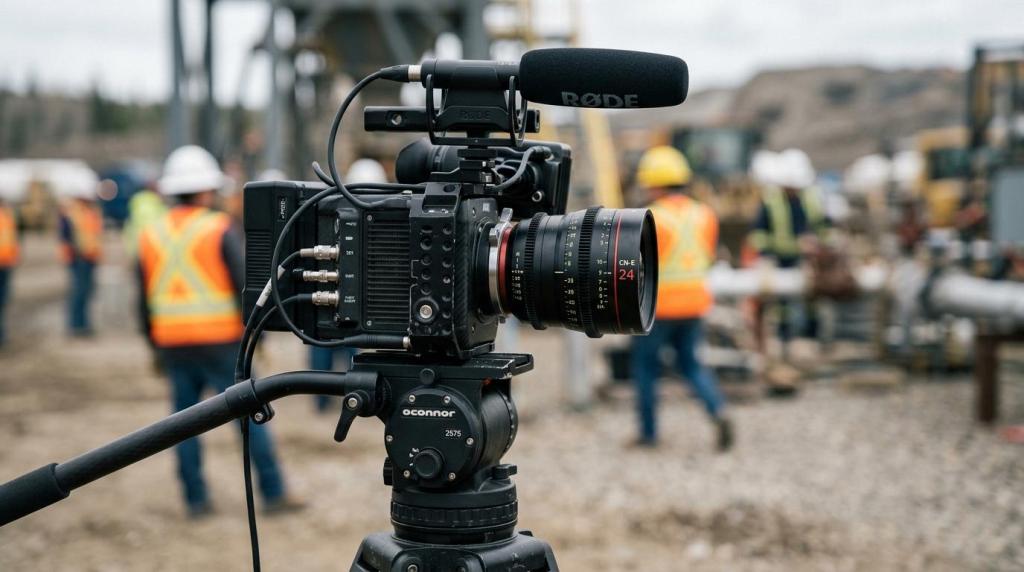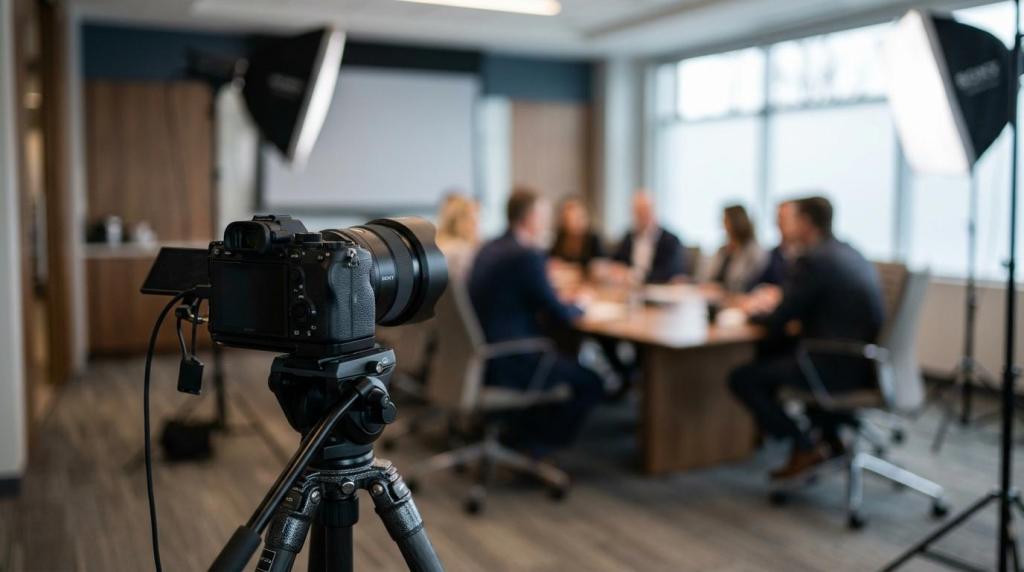
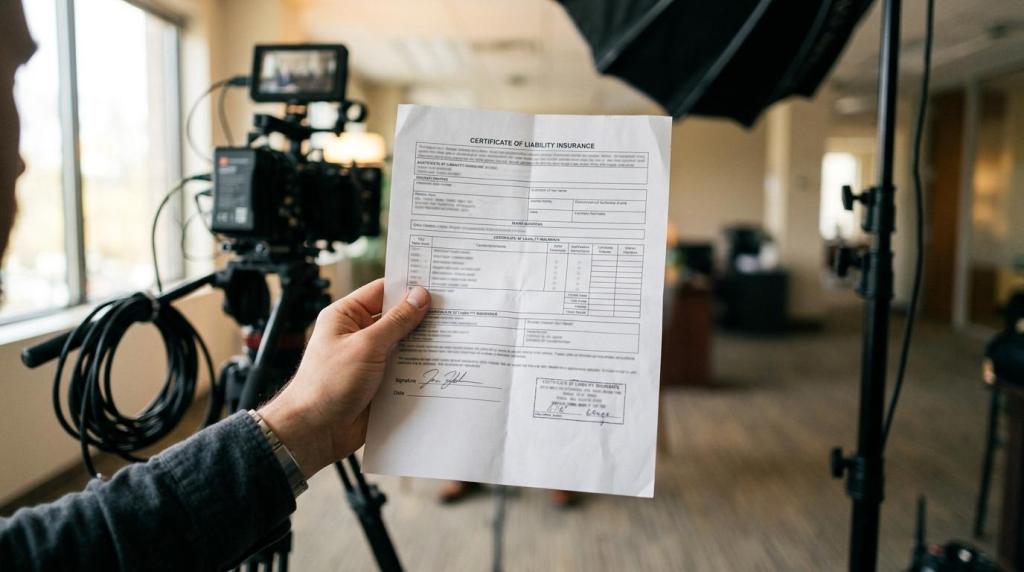
Hiring a commercial videographer in Edmonton is not only a creative decision. It is also a due diligence exercise around risk, contracts, and business outcomes, which is why companies like Q Filmz Media sit in the same evaluation set as other Edmonton video production teams when buyers compare proposals.
TL;DR: Summary
- Before hiring a commercial videographer in Edmonton, verify three things first: real client proof, proper insurance, and written ownership and usage rights. Q Filmz Media and any credible commercial video provider should be able to show all three before filming starts.
- A polished reel is not enough. Named clients, testimonials, team credentials, and recent commercial work are stronger evidence that the videographer can handle approvals, deadlines, and brand standards.
- Insurance is a contract and permit issue, not a nice-to-have. Official film offices can require at least $1,000,000 per occurrence in commercial general liability coverage, and higher-risk shoots may need more.
- Copyright does not automatically transfer because you paid the invoice. If you need ownership, raw footage, ad usage, or work made for hire language, get it in writing before production starts.
- If your video uses music, stock footage, drone footage, talent, or third-party creative assets, ask who cleared the rights and what limits apply to paid ads, broadcast, websites, and social platforms.
The best commercial videographers welcome these questions because clear scope protects both sides. In Edmonton, that matters even more when projects involve regulated job sites, public-facing campaigns, events, drone work, or fast corporate approval chains.
Why does proof of experience matter more than a flashy reel?
Yes, proof of experience matters more than a beautiful reel. Named clients, recent campaigns, and industry-relevant work tell you whether a commercial videographer can manage approvals, messaging, and production risk.
A showreel proves that someone can edit together strong visuals. It does not prove they can run a commercial production for a corporation, a government agency, a real estate developer, or an industrial client in Alberta. Those jobs often involve brand guidelines, legal review, scheduling with executives, and multiple stakeholder approvals.
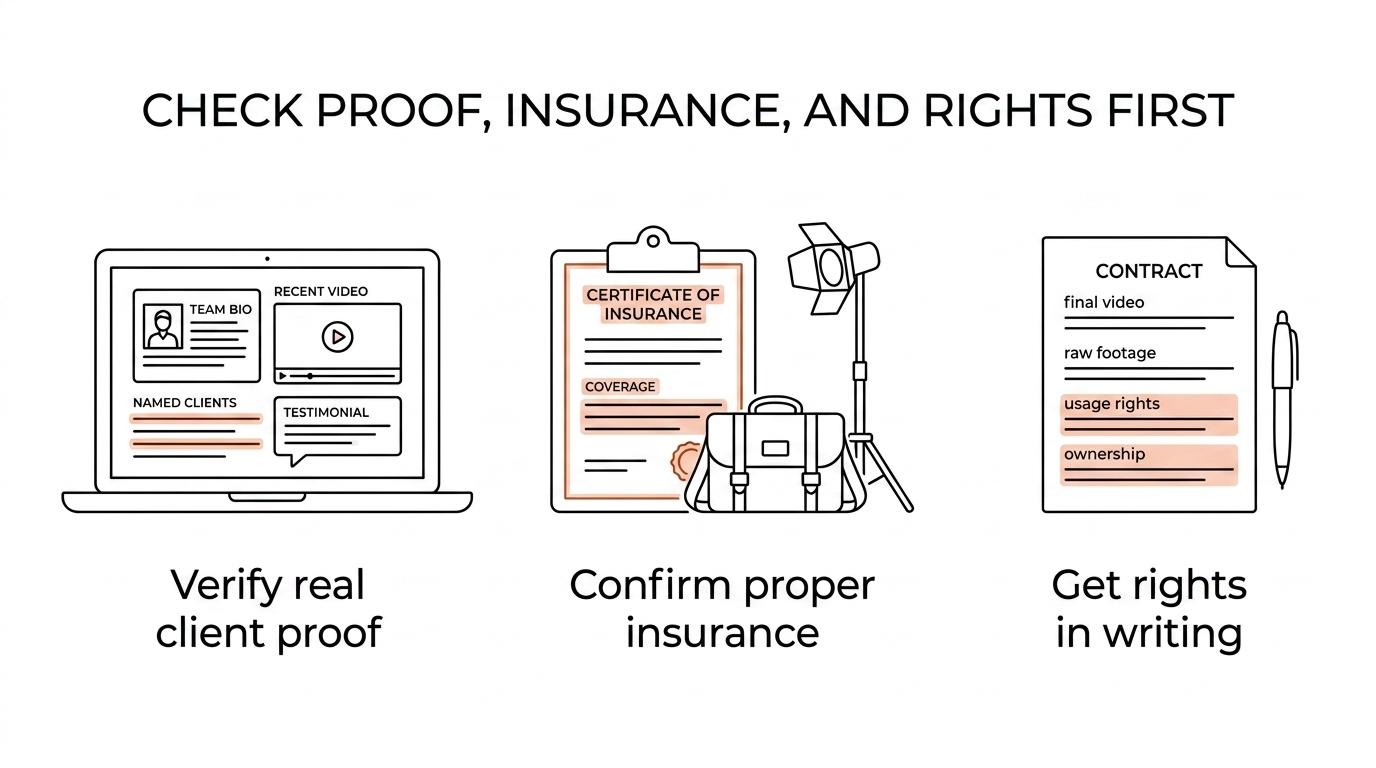
The better test is owned proof on the company site. Look for named clients, direct testimonials, team bios, case examples, and deliverables you can compare against your own needs. If a videographer says they do brand videos, training content, commercials, and event coverage, you should be able to see evidence across those categories, not just a cinematic montage.
“Q Filmz Media publishes named testimonials and team credentials, which is the kind of owned proof buyers should verify before hiring.”
A common mistake is treating aesthetics as the whole decision. Commercial video is part creative, part operations, and part contract discipline. If your team needs three versions of the same campaign, French subtitles, or site-specific safety rules, execution matters as much as style.
What client evidence should you verify before hiring?
At Q Filmz Media, we recommend verifying client evidence the same way you would vet any strategic supplier: check names, recent work, team credentials, and signs that the company can deliver under real business conditions.
Start with the basics. A credible commercial videographer should be able to show recent work that matches your format, whether that is a 30-second ad, a brand story, an executive interview, or a recruitment campaign. If your business is in oil and gas, education, non-profit, or real estate, ask for adjacent examples.
After that, verify these items:
- Named clients: real organizations, not anonymous logos with no context
- Testimonials: comments that mention timelines, communication, or quality, not vague praise
- Team credentials: who directs, shoots, edits, and manages post-production
- Relevant samples: commercials if you need ads, not only weddings or music videos
- Delivery proof: examples of multi-platform cuts, captions, photography add-ons, or quick-turn edits
This is where local context helps. An Edmonton commercial videographer who has worked with institutions, public venues, or corporate campuses will usually understand location approvals, executive scheduling, and weather-related planning better than a purely consumer-focused shooter.
What are the seven smartest questions to ask a commercial videographer?
Ask direct questions about proof, process, insurance, rights, and delivery. Those seven areas reveal whether a commercial videographer is ready for paid business work or only for creative shooting.
Use these seven questions in every vendor interview:
-
Can you show recent commercial work for companies like ours?
Ask for work similar in audience, complexity, and distribution, not just the best-looking clip. -
Who will actually handle our project?
Confirm who directs, films, edits, manages feedback, and whether any core work is outsourced. -
What insurance do you carry?
Ask for a certificate of insurance and whether coverage changes for drone, event, or industrial shoots. -
What is included in the quote?
Clarify pre-production, filming hours, crew size, revisions, travel, graphics, music, captions, and deliverables. -
Who owns the final video, raw footage, and project files?
Do not assume payment equals ownership. -
What usage rights are included?
Ask about website use, paid social, broadcast, internal training, geographic limits, and time limits. -
How do you manage approvals and deadlines?
Good answers include milestones, revision rounds, approval checkpoints, and final delivery timelines.
If a videographer answers vaguely, that is useful information. Clear answers usually reflect a mature production process.
How do you check whether a videographer is properly insured?
Check insurance before dates are locked. Ask for a certificate, confirm commercial general liability coverage, and review whether the policy fits your location, crew, equipment, and production risk.
Insurance becomes a real issue when you film in offices, event venues, public spaces, construction zones, or with drones. Official film offices show how serious this can get. The New York City Mayor’s Office of Media and Entertainment, for example, requires at least $1,000,000 per occurrence in commercial general liability insurance for many permits, and it may require added coverage depending on project risk. Edmonton rules and venue requirements can differ, but the lesson is the same: insurance is part of professional readiness.
Ask for an occurrence-based policy, not a casual verbal assurance. If your business, landlord, or venue needs to be listed as additional insured, say so early. If the project includes aerials, then ask separate questions about drone operations, pilot credentials, and airspace restrictions.
“Q Filmz Media keeps production 100% in house, which helps clients track approvals, revisions, and deadlines through one team.”
Do not assume insurance only matters for high-risk stunts. A simple office interview can still involve trip hazards, rented gear, client property, or a venue contract that requires written proof of coverage.
Who owns the footage, edits, and raw files?
Ownership should be spelled out before filming starts. Final exports, raw footage, project files, and source assets can each have different rights and different fees.
Many buyers assume that paying for the video means they own everything. That is not automatically true. The U.S. Copyright Office states a key principle that applies broadly in commercial practice: transferring the physical file does not, by itself, transfer copyright ownership. In plain terms, getting the MP4 is not the same as getting the rights.
If you only need finished videos for your website and LinkedIn page, a licence may be enough. If you want raw footage for future edits, ask whether it is included, what format it will be delivered in, and whether third-party assets inside that footage carry restrictions. If you need total control for future campaigns, then negotiate ownership language up front.
A practical tip: separate these four items in the contract because they are not the same thing:
- Final deliverables: exported videos approved for use
- Raw footage: camera originals and audio files
- Project files: edit timelines, graphics packages, working assets
- Usage rights: where, how long, and for what purpose you may use the work
What is the difference between a copyright transfer, a licence, and work made for hire?
They are different legal tools with different consequences. A copyright transfer changes ownership, a licence grants permission to use the work, and work made for hire can affect who is treated as the author from the start.
This is where many commercial video deals get messy. A transfer of copyright ownership generally needs a written instrument signed by the rights owner or authorized agent. Work made for hire also depends on written language and specific conditions. It is not automatic because you commissioned the video or paid the invoice.
A licence is often the middle ground. It can be exclusive or nonexclusive, broad or narrow, perpetual or time-limited. That means you can buy only what you need. If the video is for one campaign, a licence can control cost. If your brand needs unlimited reuse across ads, internal training, web, trade shows, and future cutdowns, broader rights may be worth the extra spend.
A common misconception is that “fair use” will cover music, stock clips, or screenshots in a commercial ad. It usually does not work that way. The U.S. Copyright Office notes that fair use is case-by-case, with no fixed safe percentage, and commercial use plus market harm can weigh against you. If your campaign uses third-party creative work, get permission or licensed assets.
If you expect heavy recuts, translations, or AI-assisted alterations, ask whether the agreement addresses moral rights and any waivers needed under the governing law. That point often matters more than buyers realize.
How should you compare proposals from Edmonton commercial videographers?
At Q Filmz Media, we suggest comparing proposals line by line, not price tag to price tag. Scope, rights, revisions, crew structure, and turnaround determine value far more than the top-line number.
Two quotes can look similar while covering very different things. One may include strategy, scripting, location planning, lighting, sound, captions, photography, and multiple versions. Another may cover only a single shoot day and one short edit. If you compare them without normalizing the scope, you are not making a fair commercial decision.
Use this comparison checklist when reviewing Edmonton video production proposals:
- Scope clarity: concepting, scripting, shot list, interview prep, and edit rounds
- Crew model: fully in-house team versus outsourced shooters or editors
- Rights package: ownership, raw footage access, music licences, talent releases
- Delivery terms: timeline, review windows, rush options, and final formats
There are local trade-offs too. Edmonton shoots may involve winter weather, parking logistics downtown, venue restrictions, plant-site orientations, or multiple locations across the region. If one proposal seems much cheaper, check whether those realities were excluded.
What production process should a professional commercial videographer follow?
A professional process should move through pre-production, production, and post-production with clear approvals at each stage. That structure protects budget, schedule, and message quality.
Pre-production is where the business value is set. That includes discovery, audience definition, messaging, scripting, interview questions, location planning, permits, schedules, and rights review. If this phase is weak, the final video usually feels expensive and unfocused.
Production is where planning meets execution. A solid crew captures interviews, b-roll, product shots, ambience, clean audio, and stills if needed. If you are filming executives, then time discipline matters. If you are filming on an industrial or public site, then safety and approvals matter just as much as image quality.
Post-production is where commercial polish happens: selects, rough cut, feedback rounds, graphics, licensed music, colour, sound mix, subtitles, and export versions for web, paid social, presentations, or internal platforms. If you want to compare service expectations, it helps to review pages focused on Edmonton video production, corporate video production, and event videography in Edmonton.
When is a local Edmonton commercial videographer the better choice?
A local Edmonton commercial videographer is usually the better choice when speed, on-site familiarity, or multi-stakeholder coordination matters. Proximity reduces friction and often improves schedule control.
Local knowledge is practical, not just geographic. It affects permit timing, load-in access, seasonal daylight, weather backup plans, and whether the crew already understands common corporate locations and event venues. That matters if you are filming downtown, at a conference venue, on a campus, or across several offices in one day.
Edmonton businesses also operate in sectors with distinct production needs. That is especially true for public-facing campaigns that combine video with offline promotion, where Sidewalk Tattoos has written about how eco-friendly street marketing can change both logistics and brand presentation on the ground.
Oil and gas companies may need safety orientations. Non-profits often need nimble crews at live events. Education and public institutions, including organizations around the University of Alberta, often have tighter review chains and location protocols. A local team can still be the wrong fit if they lack commercial depth, but location plus relevant experience is a strong combination.
What red flags should make you walk away?
Walk away if the videographer cannot prove experience, will not clarify rights, or avoids basic contract and insurance questions. Those are business risks, not small admin issues.
Watch for anonymous reels with no context, verbal promises instead of written terms, unclear revision limits, unlicensed music, and no certificate of insurance. Also be careful if the person selling the job cannot tell you who will actually direct, shoot, or edit it. Bait-and-switch staffing creates problems fast.
Another warning sign is fuzzy language around usage. If the proposal says “full rights” but does not define final video, raw footage, ad usage, project files, and third-party assets, then you still do not have a clean commercial agreement. The same is true when a vendor suggests you can use copyrighted music because it is “only a short clip.” That is not a reliable basis for a paid campaign.
If you are weighing options for a commercial videographer in Edmonton and want a clear scope, written rights, and broadcast-quality execution, contact Q Filmz Media for a free project consultation and quote.