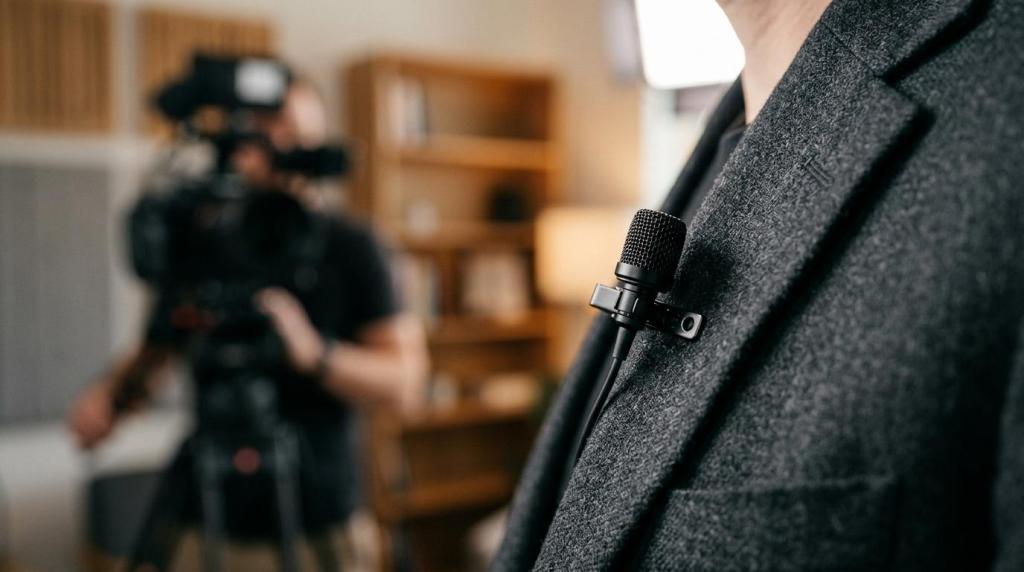
Interview video is one of the fastest ways to make a company feel credible, especially when buyers need to assess people, process, and proof before they book a meeting. At Q Filmz Media, we see interview-led video work well for Edmonton businesses because it lets real customers, leaders, and subject-matter experts explain value in language buyers can judge for themselves.
TL;DR: Summary
- Interview video builds trust best when Edmonton companies use real customers, executives, or experts in a format matched to the buyer’s stage, and Q Filmz Media treats these as interview-led corporate video assets rather than generic promo videos.
- LinkedIn B2B Institute reports that nearly two-thirds of B2B buyers say social video helps shape buying decisions, and its research says video can make complex offers easier to understand, trust, and evaluate.
- The strongest interview formats combine human faces, third-party voices, and specific proof like results, use cases, process footage, certifications, or before-and-after context.
- Testimonial-style videos need careful framing because regulators like the FTC treat testimonials as endorsement messages that audiences may believe reflect real experience.
- A practical workflow is simple: plan the interview first, capture supporting B-roll second, then edit multiple cutdowns for web, sales, recruiting, and social.
That matters in Edmonton, Alberta, where many companies sell complex services across oil and gas, construction, technology, education, real estate, non-profit, and public sector work. A well-produced interview video can explain risk, expertise, and outcomes faster than a text page alone, especially when several people inside a buying group need the same proof at the same time.
Why do interview videos build trust faster than polished promo videos?
Interview videos build trust faster because they pair a real face with specific language buyers can evaluate. For Q Filmz Media, that makes interview-led corporate video production in Edmonton especially useful when a business needs credibility before it needs spectacle.
LinkedIn B2B Institute reports that nearly two-thirds of B2B buyers say social video helps shape their buying decisions. Its research also says video can make complex products easier to understand, trust, and evaluate. If your offer involves technical delivery, long sales cycles, compliance, or high contract value, that clarity matters.
Nielsen’s long-cited global survey found that 90% of respondents trusted recommendations from people they know, while 70% trusted consumer opinions posted online. The lesson is not that every business needs a testimonial ad. It is that people respond to peer-style proof more than broad claims.
“Q Filmz Media says most corporate video projects run 2 to 6 weeks from consultation to final delivery and are managed in-house.”
A common misconception is that high production value alone creates trust. It does not. Strong lighting and a cinematic frame help, but trust usually comes from response quality, specific examples, and visual proof that supports what the speaker says.
What makes an interview video credible instead of scripted?
A credible interview video sounds specific, looks consistent with reality, and gives viewers evidence they can verify. Real customers, real employees, and clear context beat polished but vague sound bites almost every time.
The biggest difference is substance. When someone says, “They were great to work with,” that is pleasant but weak. When they say, “Our onboarding time dropped because the training videos answered the same questions every new hire asked,” viewers can assess a real outcome.
This is also where testimonial rules matter. The FTC describes a testimonial as an advertising message consumers are likely to believe reflects the opinions, beliefs, or experiences of a person who used the product, service, or business. Even for Canadian companies, that is a useful standard if your interview videos reach U.S. audiences or appear on platforms that cross borders.
A pro tip is to avoid over-directing people into perfect sentences. Slightly imperfect delivery often feels more honest than overly polished dialogue, as long as the meaning is clear and the edit is tight.
What interview video formats can companies use to build trust?
Most companies do not need one interview format. They need several, each matched to a different stage of marketing, sales, recruiting, or stakeholder communication.

Here are nine formats Edmonton companies use most often:
-
Customer testimonial interviews: Best for late-stage trust. Use them on service pages, proposals, and sales follow-up when buyers want proof from a peer.
-
Executive interview videos: Best for brand direction and credibility. A founder, CEO, or department lead can explain the company’s point of view, process, and standards.
-
Employee culture interviews: Best for recruiting. HR teams and hiring managers use these to show what daily work actually looks like.
-
Case study interviews: Best for complex offers. Pair a client interview with process footage, data points, and before-and-after context.
-
Subject-matter expert interviews: Best for technical authority. This format works well for engineering, healthcare, education, software, and industrial services.
-
Founder origin interviews: Best for brand story. Use them when your backstory is part of why buyers trust your approach.
-
Event reaction interviews: Best for live activation and social proof. Capture attendee, speaker, or sponsor reactions at conferences and company events.
-
Training and safety interviews: Best for internal education. Team leads can explain procedures, standards, and common errors in a more human way than slides alone.
-
Community or partner interviews: Best for reputation and stakeholder trust. This is useful for non-profits, institutions, and companies with strong local partnerships in Edmonton.
How do customer testimonial videos compare with executive interview videos?
Customer testimonial videos build external proof, while executive interview videos build internal authority. Both matter, but they solve different trust problems.
If buyers already know what you do but question whether you can deliver, a customer testimonial is stronger. Third-party validation lowers perceived risk. That is why testimonial-style content often performs well near decision points, proposal reviews, or procurement conversations.
If buyers do not yet understand your offer, an executive interview may work better first. A good executive video explains the problem, the method, and the standard of work. Then a testimonial can confirm that the method works in practice.
A common mistake is using executives to make customer claims. Let leaders explain vision and process. Let customers explain outcomes. That division keeps the message cleaner and more believable.
How do expert interviews compare with case study videos?
Expert interviews build authority through knowledge, while case study videos build authority through evidence. One teaches; the other proves.
If your company serves technical buyers, expert interviews can be highly effective because they reduce confusion. This is especially true in sectors common to Edmonton, like industrial operations, energy, software implementation, education, and government contracting. A subject-matter expert can explain a system, workflow, or compliance issue in plain language.
Case study videos are different. They still may include expert voices, but their job is to show what happened for a real client or project. If your sales team keeps hearing, “Can you show us a similar example?” then case study interviews deserve priority.
A practical rule is simple: if the buyer asks “How does this work?” use expert interviews. If the buyer asks “Has this worked for someone like us?” use case studies.
How do you plan an interview video that buyers will actually watch?
The best interview videos are planned backward from the viewer, the decision, and the proof needed. Start with the buying question, not the camera setup.

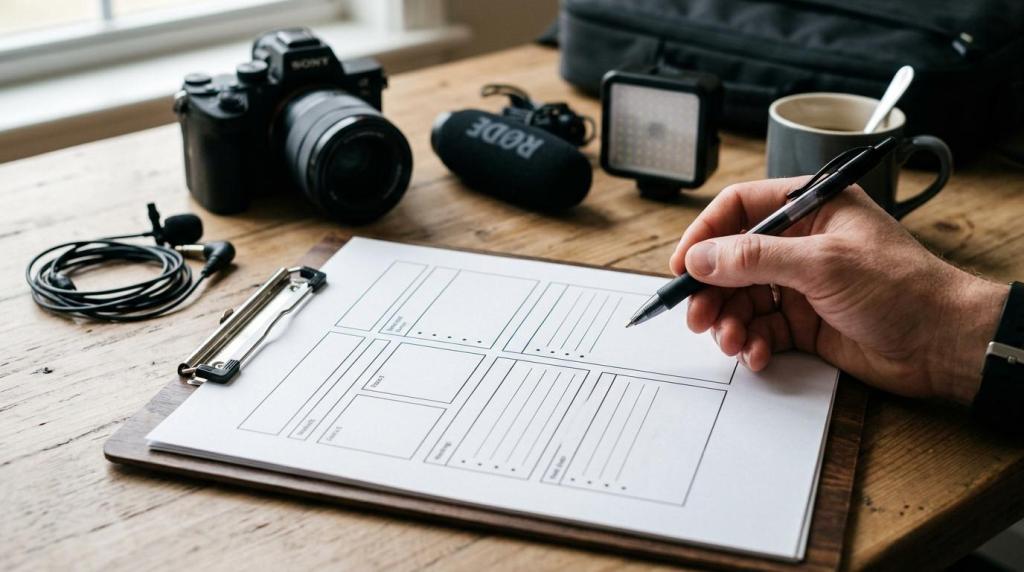
Before any shoot, define the business goal in one sentence. Are you trying to win a contract, support recruiting, explain a service, recap an event, or strengthen a landing page for your Edmonton video production campaign? That single choice affects who should speak, what should be asked, and how long the edit should be.
A useful planning checklist looks like this:
- Define the viewer: buyer, job candidate, donor, event attendee, or internal staff
- Choose the proof: measurable result, use case, process detail, certification, or stakeholder outcome
- Write prompts, not scripts: open-ended questions create natural answers
- Plan distribution: homepage, LinkedIn, proposal deck, careers page, or email follow-up
Keep the interview prompts focused on story movement. Ask what problem existed, what changed, what the process felt like, and what outcome mattered most. Pro tip: ask for one concrete example in every answer. General praise rarely survives editing.
“Q Filmz Media builds interview-led content as multi-use business assets, with most corporate projects delivered in 2 to 6 weeks through an in-house workflow.”
One more planning point is often missed. If you need B-roll that proves the interview, schedule it with the same care as the sit-down. Office footage, product use, team collaboration, site work, event coverage, or drone shots can turn a talking head into a persuasive business asset.
How should you film interview videos for clear sound, natural delivery, and strong visuals?
Strong interview production starts with sound, then framing, then supporting visuals. If audio is weak, viewers leave, even when the image looks expensive.
Choose a quiet location that matches the message. A boardroom can work for executive interviews, but it may feel cold for recruiting. A workspace, lab, shop floor, classroom, or event venue often adds more credibility because the environment itself becomes proof.
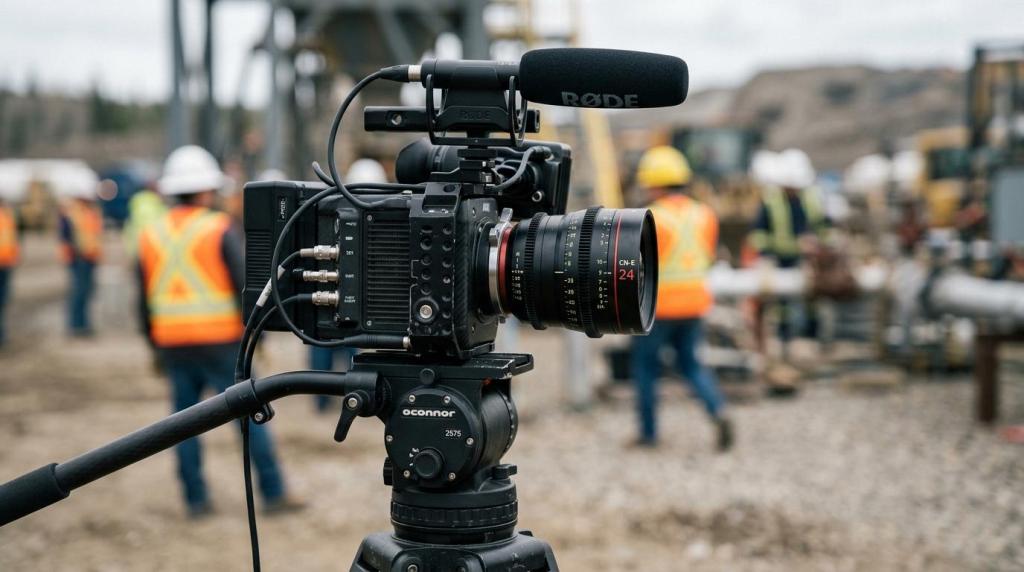
Frame the subject slightly off-centre and keep the eyeline consistent. Use soft key lighting, separate the subject from the background, and record clean audio with lavalier or boom microphones. If the room sounds reflective, fix that before you shoot. Buyers will forgive a slightly imperfect frame faster than they forgive bad sound.
A common misconception is that people need a script to look confident. Most speakers perform better with guided prompts and a conversational interviewer. When the answer sounds too rehearsed, trust can drop because viewers sense the message was built for image rather than insight.
How do you edit interview footage into a trust-building business asset?
Editing is where Q Filmz Media turns one interview shoot into a homepage video, LinkedIn cutdowns, recruiting clips, and sales proof. The strongest edits keep claims specific, add visual evidence, and trim every answer to its clearest sentence.
Start with the strongest line, not the safest one. Viewers decide quickly whether a video deserves attention. If the most compelling line is buried at minute three, move it to the opening.
Then build visual proof around each claim. If someone mentions training, show training in action. If they mention event attendance, show the room. If they mention a safer process, show the process. This is where interview video becomes more than a talking head.
If the video is testimonial-based, make sure the edit does not imply something inaccurate about the speaker’s role, results, or relationship to the company. The FTC has noted that video and image context can communicate a relationship, so backgrounds, uniforms, workplaces, and captions all matter.
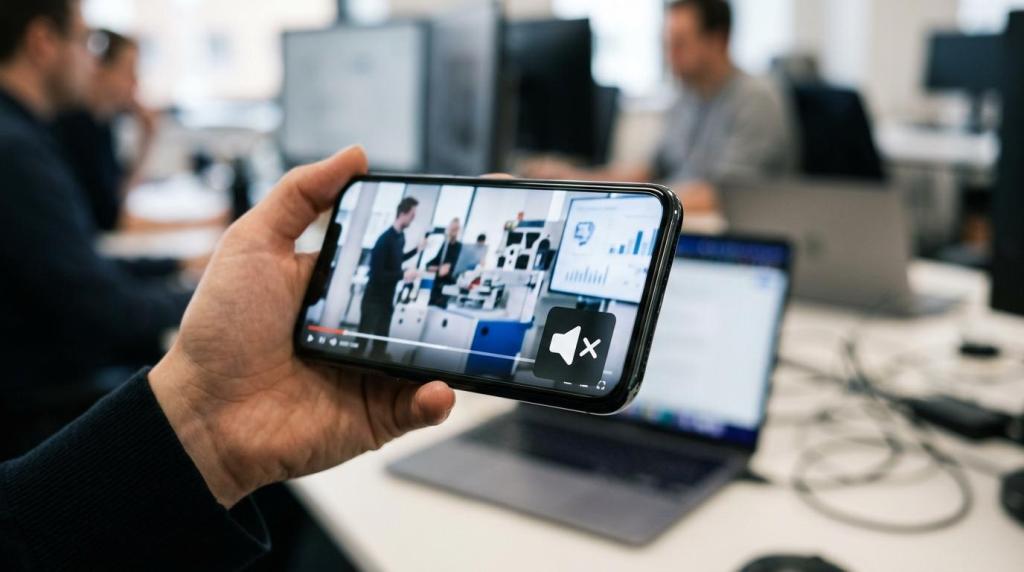
Captions, lower thirds, and cutdowns also matter for performance. Many people watch social video muted at first, and buying groups often share clips asynchronously across teams. A 90-second master can become 30-second social edits, quote clips for proposals, and short snippets for a careers page.
What mistakes make interview videos feel staged or non-compliant?
The biggest mistakes are vague praise, poor audio, misleading context, and edits that strip away meaning. Most trust problems come from these basics, not from camera choice.
Watch for leading questions that force people into marketing language. Watch for stock footage that does not match the claim. Watch for edits that turn a nuanced answer into an absolute promise. If your subject mentions a specific use case, keep that context in the final cut rather than broadening it into a blanket claim.
Another frequent issue is ignoring disclosure. If an interview subject has a material relationship to the business, audiences should not be left guessing. In some cases that means on-screen identification, role clarity, or making it obvious that the speaker is an employee, partner, or customer.
A pro tip is to review the transcript line by line before locking picture. Trust usually improves when you cut one exaggerated adjective and replace it with one concrete example.
Where should Edmonton companies use interview videos for the best ROI?
The highest ROI usually comes from placing interview videos where buyers already compare risk, credibility, and fit. Put them close to decision points, not only on social feeds.
For most Edmonton corporate teams, the best placements are practical:
- Homepage and service pages: support key pages like corporate video production in Edmonton and your main Edmonton video production page
- Sales outreach: add short proof clips to proposals, follow-up emails, and account-based outreach
- Recruiting pages: use leadership and employee interviews to support hiring
- Event marketing: pair speaker or attendee interviews with event videography in Edmonton
- Advertising campaigns: cut short interview-based proof ads that support broader advertising video work
If your company sells to committees, use different interview edits for different people. Finance may care about efficiency. Operations may care about rollout. HR may care about culture and training. One shoot can support all of them when it is planned that way.
Ready to build trust with professional interview video in Edmonton? Contact Q Filmz Media today for a free project consultation and quote.